
When a Pet Dies: Understanding Grief and How Counselling Can Help
For many of us, our pets are not “just animals”. They are companions, confidants and cherished members of the family. They share our routines, offer unconditional affection, and often become a steady presence through life’s ups and downs. So when a pet dies, the grief can feel profound - and sometimes surprisingly overwhelming.
Yet, pet loss is often minimised and misunderstood by others. Comments like ‘you can get another one’ or ‘it was only a dog/cat’ can leave people feeling isolated in their grief. This lack of understanding can make an already painful experience even harder to process.
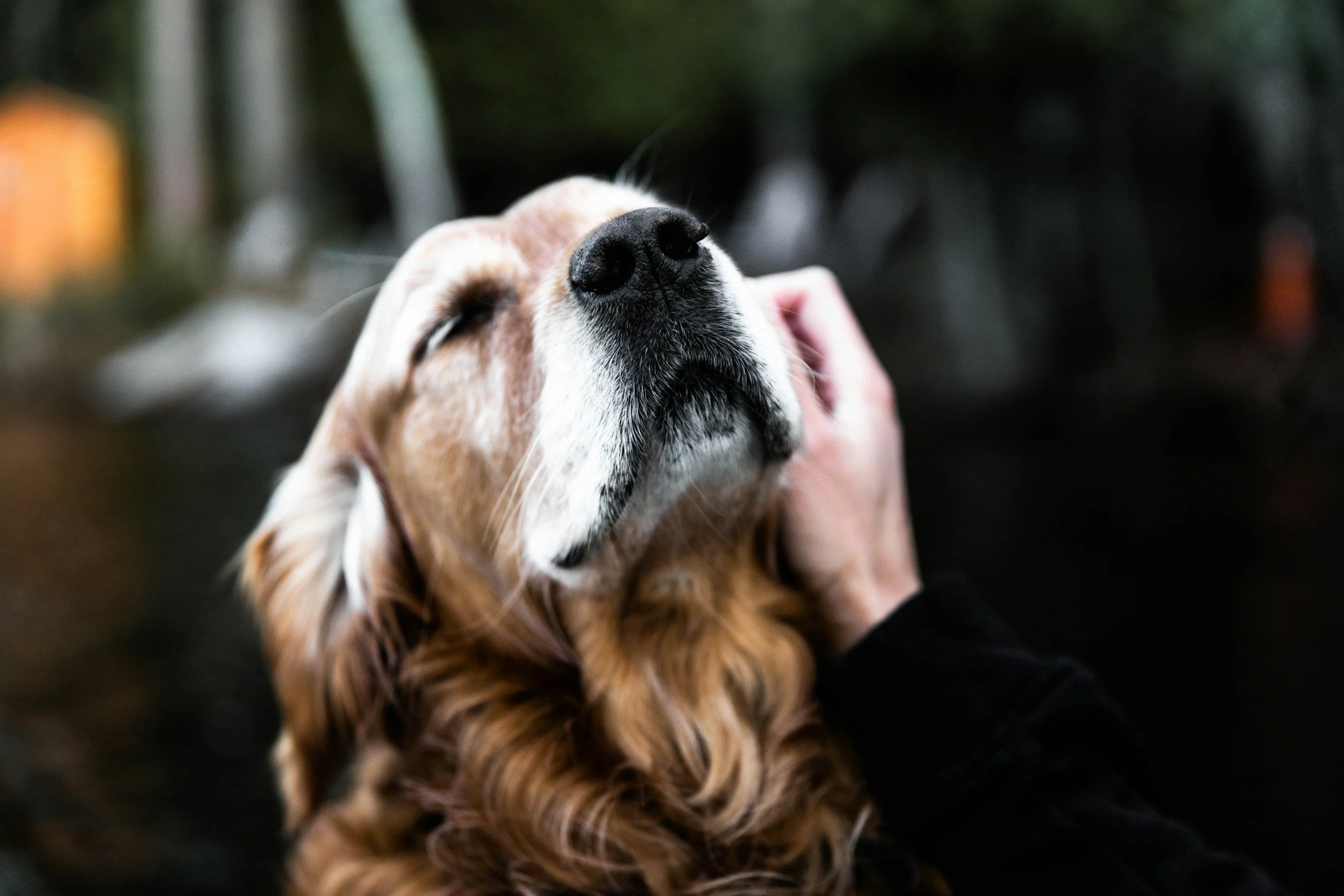
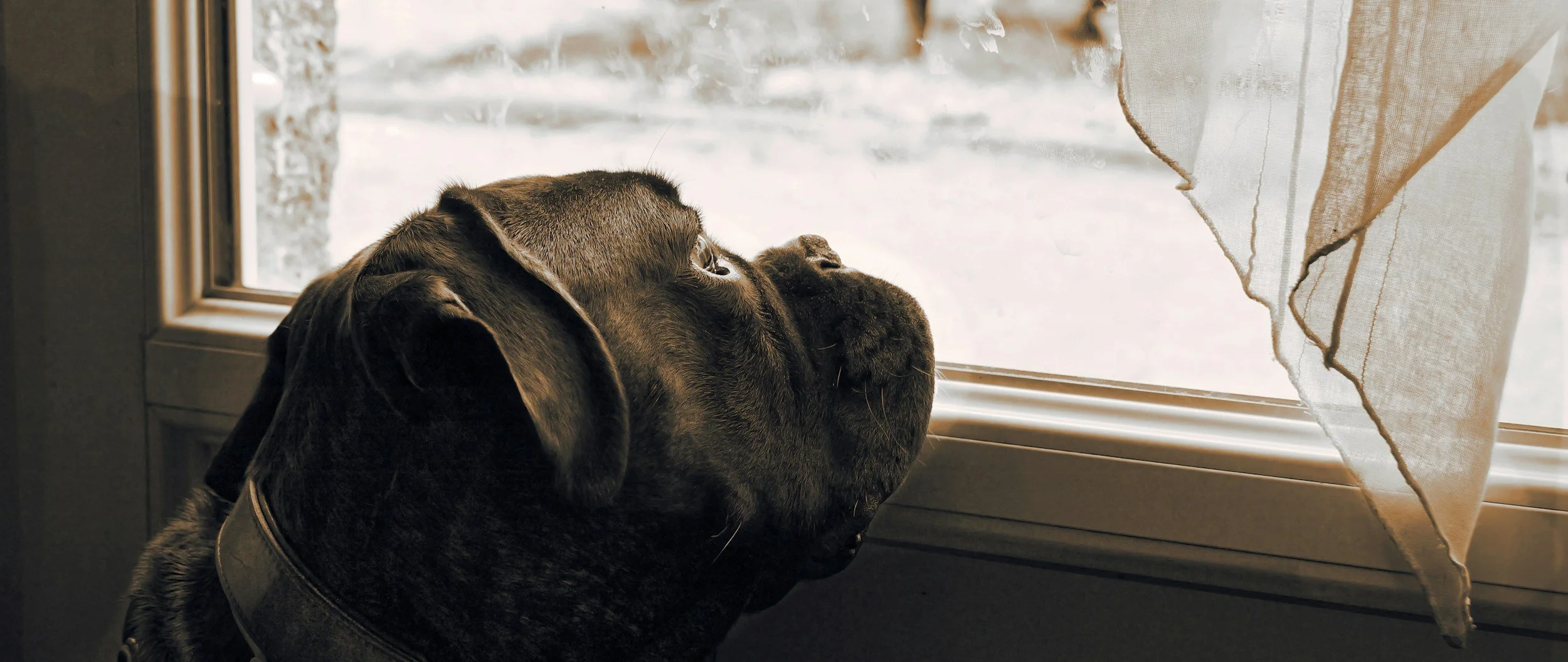
The Reality of Pet Loss
When grieving the loss of a pet, many people will experience:
• Deep sadness or emptiness
• Guilt (e.g., questioning decisions around care or euthanasia)
• Anger or frustration
• Loneliness and a sense of loss of routine
• Difficulty concentrating or sleeping
Every relationship with a pet is unique, therefore so is every grief response. There is no “right” way to grieve, and no set timeline for when you should feel better. Grieving is not a linear process - sometimes we may feel somewhat ‘better’ and at other time we may feel somewhat ‘worse’ again. It’s all part of the process of accepting and adjusting to the loss.
Why Pet Loss Can Feel So Intense
Pets often provide a kind of companionship that is simple, consistent, and non-judgemental. For some people, a pet may have been their primary source of emotional support. The loss can therefore impact not only your emotional wellbeing, but also your daily structure and sense of connection.
Grief around pet loss is sometimes disenfranchised—meaning it isn’t always fully recognised or validated by society. This can leave you feeling like you have to hide or justify your feelings.

How Counselling Can Help
As a person-centred, integrative counsellor, I offer a compassionate and non-judgemental space where your grief can be explored at your own pace.
Counselling can support you in several ways:
1. A Space to Be Heard
You are free to talk openly about your pet, your relationship, and your feelings—without fear of minimisation or dismissal.
2. Making Sense of Your Emotions
Grief can be complex and sometimes confusing. Together, we can gently explore feelings such as guilt, anger, or even relief, helping you understand and process them.
3. Honouring the Relationship
Your bond with your pet mattered. Counselling can help you find meaningful ways to remember and honour that connection.
4. Coping with Daily Life
Adjusting to life without your pet can feel disorienting. We can work together to find ways to navigate this transition and rebuild a sense of routine and stability.
5. Self-Compassion and Acceptance
A person-centred approach places you at the heart of the process. You are supported in developing self-compassion, allowing your grief to unfold naturally rather than feeling pressured to “move on.”
You Don’t Have to Go Through This Alone
Grief can feel incredibly isolating. Reaching out for support is not a sign of weakness—it is a way of caring for yourself during a difficult time.
Whether your loss is recent or something you’ve been carrying for a while, counselling can provide a space where your experience is acknowledged, respected, and gently held.
If you would like to explore how counselling might support you with pet loss, I would be here to walk alongside you.
“Grief is the price we pay for love.”
Your grief reflects the bond you shared—and that bond matters.